Workplace transport is one of the leading causes of serious injuries and fatalities across UK workplaces. Incidents often involve people being struck by vehicles or falling from them - particularly during reversing, loading and unloading activities
This page outlines the key controls needed to manage risks effectively using the HSE’s core principles: safe site, safe vehicle and safe driver
Vehicle and Transport Safety at Work
Safe Site (Traffic Management)
A well-designed workplace layout is the most effective way to prevent vehicle-related incidents
Key controls:
Separate pedestrians and vehicles wherever possible (physical barriers preferred)
Use one-way systems to reduce reversing
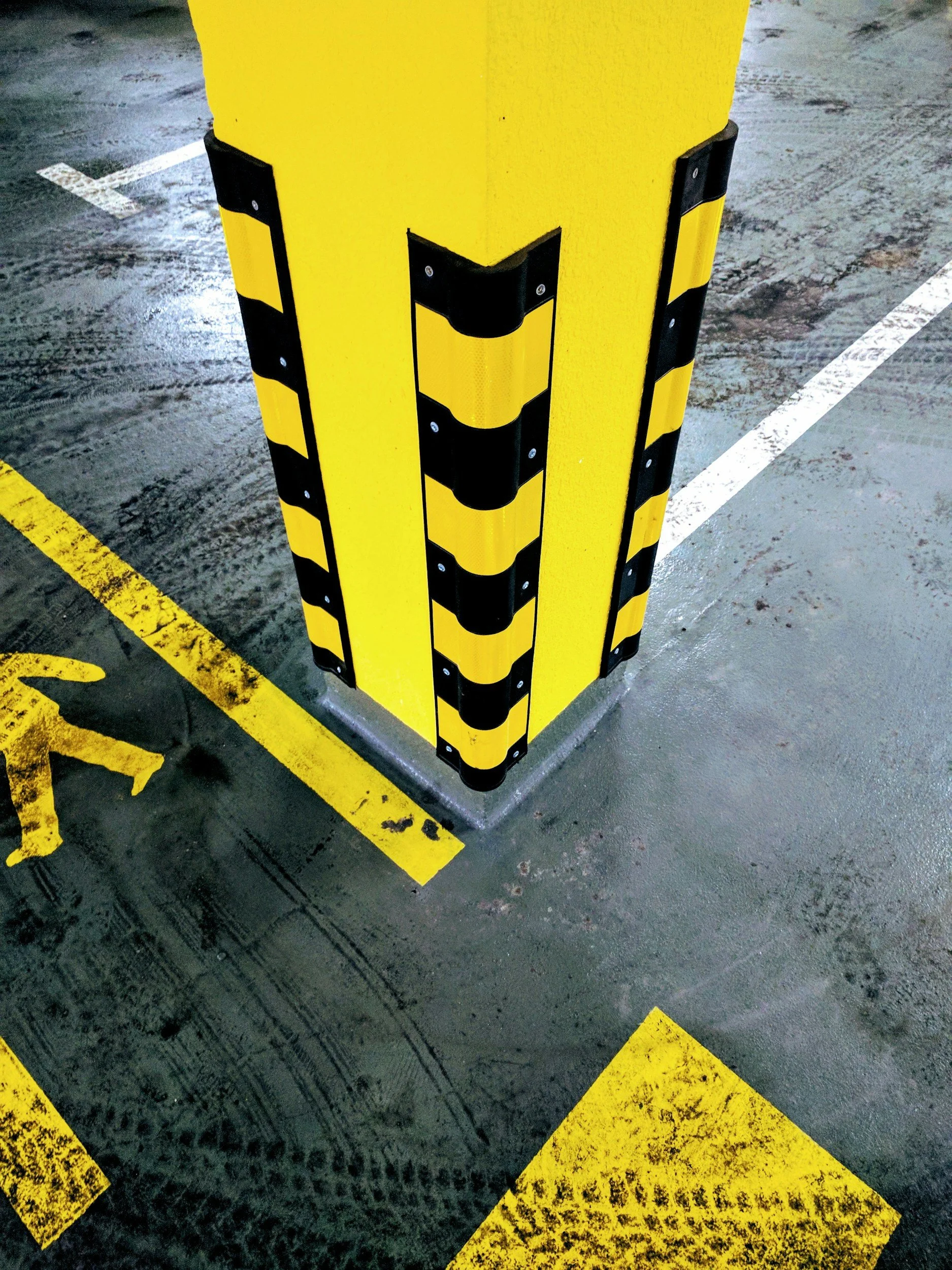
Clearly mark traffic routes, crossings and parking areas
Ensure routes are:
Wide enough and suitable for all users
Even, well-maintained and free from obstruction
Provide adequate lighting, especially at junctions and loading areas
Install mirrors at blind spots and enforce site speed limits
Parking
Clearly designated parking areas
Separate private and work vehicles where possible
Engines off, brakes applied, keys removed when unattended
Checklist
Use this as a quick review of your current controls:
Are pedestrians and vehicles effectively separated?
Are routes clearly marked, maintained and well lit?
Is reversing minimised or controlled?
Are loading and parking areas safe and designated?
Are vehicles suitable and regularly maintained?
Are checks, inspections and defect reporting in place?
Are drivers trained and monitored?
Are contractors and visitors managed safely?
Safe Driver
Driver competence is critical to safe operations.
Key controls:
Ensure drivers are trained, competent and authorised
Assess new starters before allowing independent work
Provide task-specific training when roles change
Monitor performance and carry out refresher training
Closely supervise young or inexperienced drivers
Safe Activities (Movement & Operations)
Certain activities present higher risk and must be tightly controlled
Reversing:
Avoid reversing wherever possible
Use designated reversing areas
Keep pedestrians out of reversing zones
Consider aids (alarms, cameras, sensors)
Loading & Unloading:
Use level, well-lit, segregated areas
Prevent vehicle movement (e.g. brakes, key control, restraints)
Keep areas clear of overhead hazards
Provide safe waiting areas for drivers
Contractors, Visitors & Shared Sites
Transport risks increase where multiple parties are involved
Key controls:
Share clear site rules and traffic routes with all visitors
Coordinate with contractors and other employers
Provide instructions in appropriate formats (including translations if needed)
Restrict public access or ensure safe segregation
Tipping & Sheeting
Only tip on level ground, away from pedestrians
Check for overhead hazards (e.g. power lines)
Avoid working at height - sheet from ground level where possible
When to Review
Review your arrangements if:
Site layout or traffic routes change
Vehicle types or numbers increase
New contractors or visitors are introduced
An incident or near miss occurs
Work activities (e.g. loading, tipping) change